Saturday, August 20, 2011

andrew molera state park


(click image for larger version)


view from molera point, andrew molera state park


big sur


(click image for larger version)


big sur panaroma, from rocky creek bridge


Thursday, August 18, 2011

tall trees


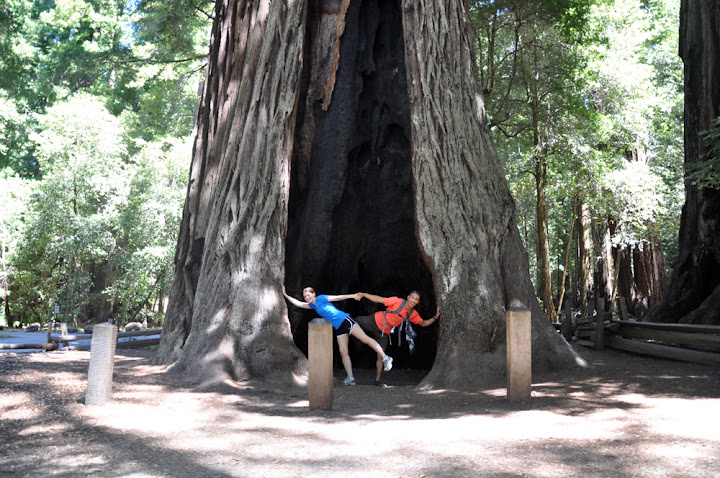
To escape the blustery winds and foggy coast of Monterey, we decided to drive north to Boulder Creek to see some redwoods. We could only marvel at the majesty of Big Basin State Park's tall redwoods, craning our necks upward to catch a glimpse of the trees' tippety tops. Thousands of years old, hundreds of feet tall, tens of feet wide and around, the redwoods towered above us, pillars of red splintered wood, sheltering the trail with a ceiling of green.
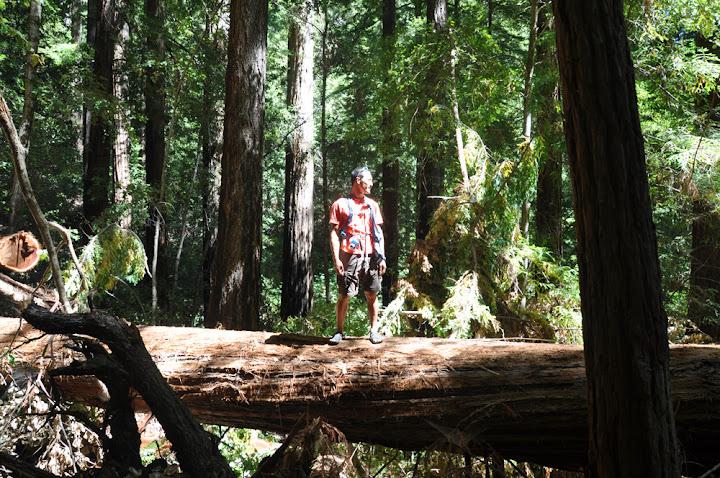


Hiking up the Sequoia Trail, we encountered the Sempervirens Falls, a measly trickle in contrast to its winter and spring flow. Charred stumps and felled trees littered the edges of the trail, a reminder of the wildfires that visited this forest not very long ago.

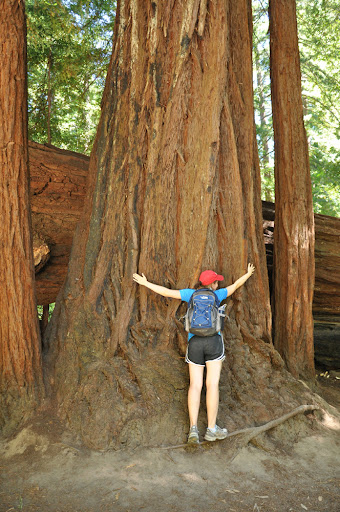
Some of the trees opened up, inviting us to explore their cavernous interiors. Even with two of us together, we could barely manage to span the trees. And to think that we were not even seeing the widest of the redwoods, bridges tunneled through them as had been done at Mariposa...


With miles of trails, numerous waterfalls, a ocean vista, and a beach on the Pacific Coast, Big Basin offered us much more than we could possibly see in a single afternoon. Click here for more photos from our trip to Big Basin, and for photos of the sunset at Asilomar State Beach in Pacific Grove, CA.

Wednesday, August 17, 2011

feeding sea stars


Earlier this year, I "audited" Marine Biology during my free periods. I marveled at the diverse life forms that make up the marine world, and I approached my tide pooling excursions with much more fervor and knowledge. However, much of what I learned dealt with creatures that I don't normally find on the shores of Massachusetts.


This trip to Monterey, in particular our visit to Point Lobos's Weston Beach to examine life in the tide pools, helped me to add a new dimension to what I encountered in class. Limpets and chiton are much larger than I expected, having seen them only in photographs. Anemone squish every which way as I poke them, and I almost expect to hear the Pillsbury Doughboy giggle. And sea urchin -- well, they're always spiky.


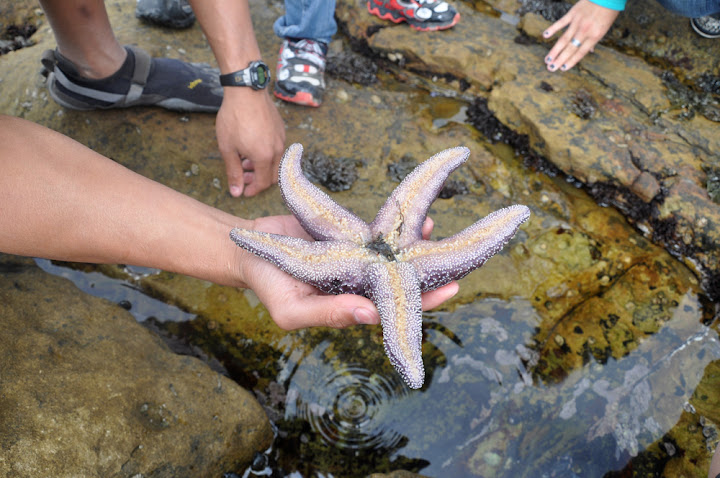
The highlight of the afternoon came when Bonnie and I found a sea star clinging on the the base of a rock, about two feet underwater. I clambered out on the rock and while precariously holding on to a dry patch with one hand, I reached into the kelp bed and extracted the sea star. We set it down in a small pool of water to study it more closely and soon we had a large group of people gathered around us; we became the marine biology teachers out in the field!


When it came time to put the sea star back in its original spot, it clung on to the rock for dear life. I finally managed to pull it up, but not without causing the sea star to lose quite a few of its tube feet. The reason it put up such a fight? We discovered a limpet half-engulfed in the sea star's mouth! Knowing that we had helped it find a meal reduced the guilt of the stress and trauma we had caused. =)


Click here to see more photos of Point Lobos, tide pool creatures, and the Monterey Bay Aquarium (including photos from a feeding in their 1.2 million gallon Open Sea tank).

Monday, August 15, 2011

our own photobooth


After finding out that it cost $5 to use one of those booths that will take a series of photos and print a strip, we decided to create our own! We took the photos below while waiting for the sunset at Asilomar State Beach in Pacific Grove. Go here to see a few others from our visit to the Redwoods at Big Basin State Park.


Sunday, August 14, 2011

living the (marine) life


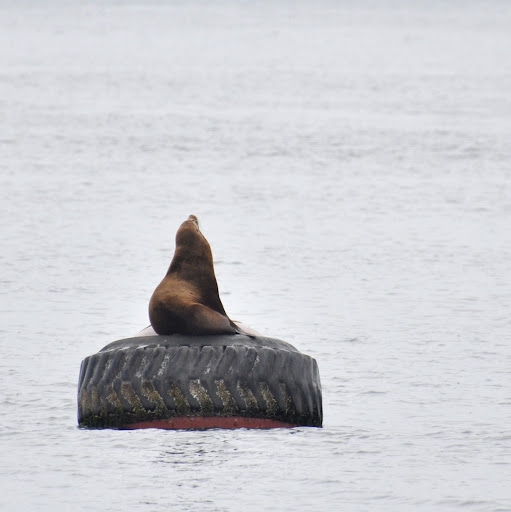
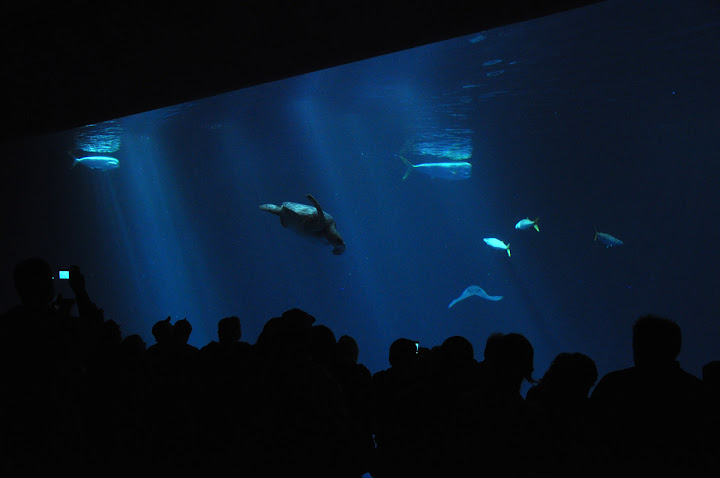
We decided to travel out to Monterey for its marine life and we have definitely seen our share of marine life so far! From the carefully crafted exhibits at the Monterey Bay Aquarium, including the 1.2 million gallon Open Sea tank; to the pelicans soaring through the air; to the harbor seals and sea lions adorning the beaches and offshore rocks; to the urchins, sea stars and anemones lounging in the tidepools at Point Lobos, we have seen the complex dance that keeps all of these creatures living in harmony.


The Aquarium features an entire exhibit on jellies, which I find mesmerizing. I actually viewed the exhibit twice, on two separate days. Watching them float effortlessly in their tanks, I cannot help but envy their peaceful meandering in the water. Whereas we humans tend to hold onto every last shred of control, the jellies move with the tides, ebbing and flowing as the water, too, comes and goes.


See more photos from our first day in Monterey here: a foggy day full of pelicans, seals, sea lions, and a few flowers; and a trip to the Aquarium with jellies, sea turtles, and mola mola.

Sunday, January 23, 2011

what the eye can't see


A few years ago, I made a trip to Harvard's Sackler Museum to see a special exhibition of Middle Eastern and South Asian art. The delicate calligraphy with which the artists embellished their work remains most imprinted in my memory, for I could not see it but with a magnifying glass. Imagine that -- details so tiny that one cannot see them with the naked eye. And it left me wondering how they managed to create such magnificent pieces.


ice serpent


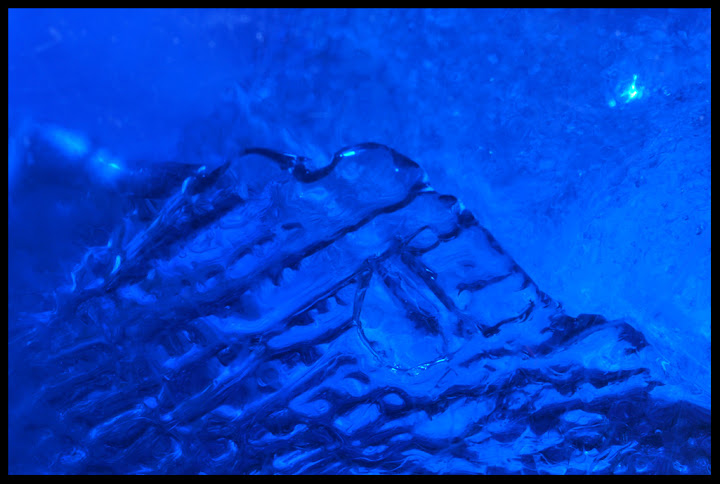
The macro lens does something similar to that of the magnifying glass, allowing me to get ever closer to my subject, capturing details that I certainly would never notice, as careful and attentive as I might be. I love the feeling of diving into the subject, surrounding myself with lines, textures, nooks and crannies, and pockets of light that I did not know existed. I love looking at the photographs later, knowing that had I not taken the photographs, I might sit for hours wondering what the subject of the photograph might be.


ice-flake


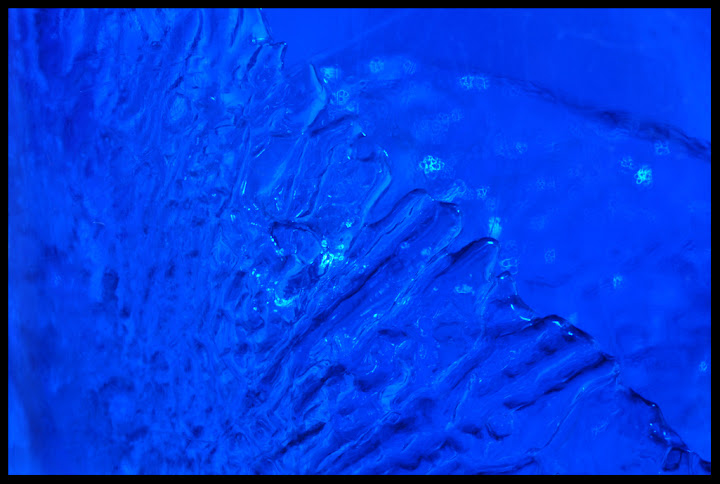
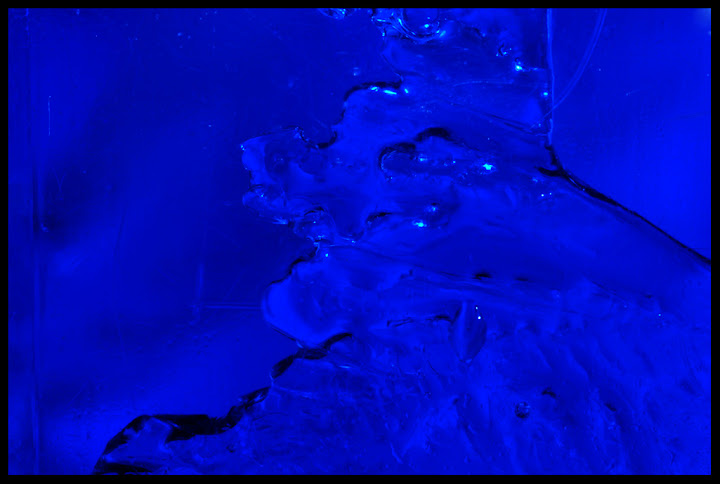
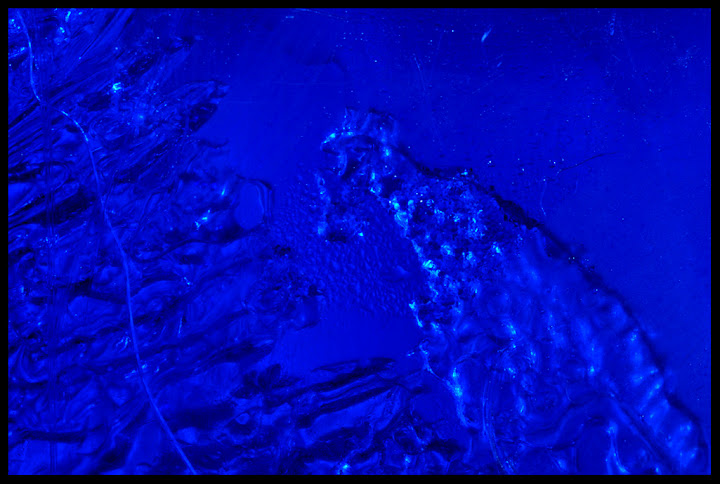
For this project, I photographed a blue Nalgene bottle, water frozen inside it after days of sitting in the car. By rotating the funnel of ice around in the Nalgene, I could select sharp edges, bumpy surfaces, and glinting points of light. After framing my photograph, I shut off all the lights and, in the darkness, I remotely triggered the shutter, sending off a burst of bright light from the on-camera and remote flash unit. My favorite photographs are those which show the jagged edges of the ice, making them look like snowflakes or open-sea hazards. The blue tint from the Nalgene lends a frigid atmosphere to these lifeless stills.


the bubbles at jordan


scalloped ice


santa in antarctica


cape cod under ice age


oyster on ice


Photos shot with tripod-mounted Nikon D90, Micro-NIKKOR 60mm f/2.8 macro lens, remote SB-600 flash, Opteka wireless remote trigger.

See larger versions of these photos here.